Logic and Strategy: The Role of Reasoning Games in Decision Making
The Cognitive Benefits of Reasoning Games
In an era where decision-making plays a pivotal role in both personal and professional realms, understanding the tools that enhance our cognitive abilities is essential. Reasoning games are increasingly recognized for their potential to sharpen critical thinking skills and improve logical reasoning. These engaging activities challenge players to think deeply and strategically, making them a valuable resource in fostering mental agility.
These games offer a unique blend of logic and strategy, making them suitable for various age groups. From children learning the basics of problem-solving to adults sharpening their strategic thinking skills, reasoning games are versatile. Moreover, they are not just a form of entertainment; they also facilitate:
- Enhanced problem-solving skills: Players engage in scenarios requiring quick and effective resolutions. For example, games like Sudoku require individuals to analyze patterns and apply logic to fit numbers in a grid correctly, honing their ability to approach problems systematically.
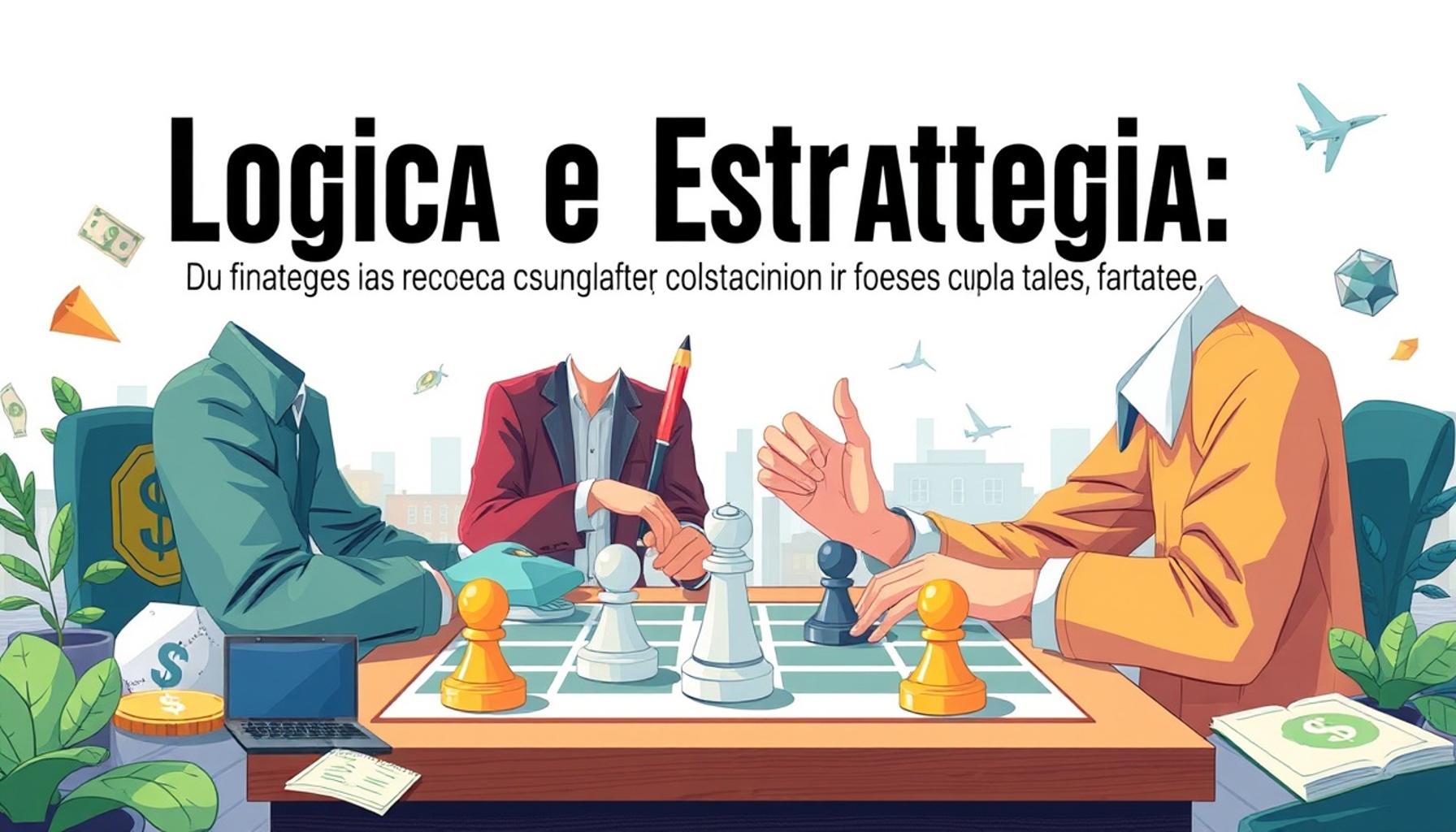
- Strategic planning: Many games demand foresight and the ability to anticipate opponents’ moves. Chess is a quintessential example, as players must think several steps ahead, deducing the possible responses of their opponents while executing their strategies to secure victory.
- Cognitive flexibility: Adapting strategies to changing conditions is crucial in both games and real-life situations. Games like Settlers of Catan exemplify this need, where players must modify their plans and resource allocation based on opponents’ actions and the randomness of dice rolls.
Research indicates that engaging with these games can significantly influence our decision-making processes. Scientific studies have shown that regular players of reasoning games often demonstrate improved memory and attention spans, which are critical skills in today’s fast-paced environment. Additionally, puzzles and strategic games can help mitigate cognitive decline in older adults, providing a stimulating workout for the brain.
As we delve deeper into the various types of reasoning games, we will explore how they not only entertain but also serve as a valuable training ground for making informed choices in daily life. Whether you are a business leader crafting strategies to outmaneuver competitors or a casual gamer enjoying a night of board games with friends, the skills honed through these activities are invaluable. Get ready to discover the intersection of logic and strategy—where play meets practicality. The next time you roll the dice or move your piece on the board, remember that you are not just playing; you are enhancing your mental toolkit for the challenges of everyday life.
DISCOVER: Click here to learn about how puzzles enhance problem-solving skills
The Intersection of Logic and Strategy in Gameplay
As we embark on a closer examination of reasoning games, it is vital to recognize how their structured environments mirror the multifaceted landscape of real-life decision-making. Within these games, players are often confronted with complex challenges that require a blend of logical reasoning and strategic thinking. This intersection not only enhances gameplay but also serves as a critical training ground for making informed decisions in various aspects of life.
Reasoning games, such as logic puzzles and strategy board games, utilize a set framework that compels players to analyze situations methodically. The cognitive skills refined through these activities have direct applications beyond the gaming table. Here are several key areas where these games foster skills that enhance decision-making:
- Analytical Thinking: At the heart of many reasoning games is the requirement to decipher complex information. Players learn to break down problems into manageable parts, assess the implications of different moves, and anticipate future outcomes. For instance, in games like Clue, players must deduce the murderer from limited information and competing hypotheses, sharpening their analytical skills.
- Risk Assessment: Understanding when to take risks and when to play it safe is a fundamental aspect of strategy games. Players are encouraged to evaluate their options critically, weighing potential gains against possible losses. In games like Monopoly, for example, players must juggle investments in properties and development while managing finances carefully.
- Collaboration and Communication: Many reasoning games involve teamwork, whether they are cooperative puzzles or competitive matches where players form alliances. This interaction hones social reasoning skills that are vital for effective communication in professional environments. Games such as Pandemic not only require strategic planning but also demand players to collaborate and share information to succeed.
The benefits of engaging with reasoning games extend beyond immediate cognitive enhancements; they instill a habit of reflective thinking. According to a study published in the journal Psychological Bulletin, participants who regularly play strategy games exhibited greater cognitive control and improved executive functioning. This means they are better equipped to evaluate their decisions and adjust their approaches based on feedback, a crucial trait in both personal and professional contexts.
Moreover, the applicability of skills cultivated through reasoning games can be observed in high-stakes environments like business strategy and policy development. Executives often draw parallels between their in-game strategies and real-world tactics, leveraging experiences gained from these games to navigate market complexities effectively. Understanding the interplay of tactics and timing, for example, can inform decisions ranging from product launches to resource allocation.
Ultimately, reasoning games are about more than just entertainment; they are training wheels for the mind. By engaging in these activities, players are honing their logical reasoning and strategic planning skills, which are essential for successful decision-making. As we move forward, we will further explore specific genres of these games and their distinct contributions to developing one’s mental toolkit for real-life challenges.
As we delve deeper into the intricate relationship between logic, strategy, and reasoning games, it’s essential to highlight their profound impact on decision-making skills. These games are not merely forms of entertainment; they are structured environments that simulate complex scenarios demanding analytical thinking and strategic planning.
Logic and strategy games, such as chess, sudoku, and various puzzle games, challenge players to consider outcomes, anticipate opponents’ moves, and develop a series of strategic responses. Participants must weigh risks and rewards continually, fostering an environment where critical thinking emerges as a vital skill. Through repeated gameplay, individuals learn to approach problems methodically, enhancing their cognitive flexibility and problem-solving capabilities.
Research indicates that engaging in reasoning games can lead to improved executive functions, including working memory, cognitive control, and attention span. This enhancement can translate into better decision-making in daily life scenarios, where clarity of thought and the ability to analyze various angles can lead to more informed choices, both personally and professionally.
Moreover, the social aspect of multiplayer strategy games introduces an additional layer to decision-making. Players collaborate, negotiate, and sometimes compete, which simulates real-world social dynamics. This interaction hones their interpersonal skills and teaches them valuable lessons in conflict resolution and compromise. The variety of reasoning games available today means that individuals can find a game that suits their interests, adding to their motivation and willingness to engage with these critical learning tools.
| Category | Description |
|---|---|
| Cognitive Development | Games enhance critical thinking, improving reasoning capabilities. |
| Social Skills | Multiplayer games foster collaboration and conflict resolution. |
In summary, reasoning games act as powerful tools for growth. By engaging in these activities regularly, players develop a robust toolkit for making effective decisions. Whether playing alone or with others, the strategic and logical applications of these games reveal their potential in shaping not just game outcomes but real-life choices as well.
DIVE DEEPER: Click here to learn more
Benefits of Reasoning Games in Skill Development
To further appreciate the significance of reasoning games in enhancing decision-making skills, it is essential to delve into the cognitive and emotional advantages they offer. Players engage deeply with challenges that span various genres—from classic chess to contemporary tabletop games—each designed to stimulate the mind while fostering essential life skills.
One of the primary benefits of reasoning games is their promotion of creative problem-solving. In games like Settlers of Catan, players frequently face unexpected dilemmas, requiring them to adapt their strategies on the fly. This kind of flexible thinking enables individuals to consider multiple angles and develop novel solutions, a skill that translates seamlessly into the workplace, where innovation is highly prized. A report from the American Management Association highlighted that companies with creative problem solvers tend to outperform their rivals, underscoring the importance of fostering such abilities through reasoning games.
The emotional resilience cultivated through these games cannot be overlooked either. Encountering setbacks, whether through defeat in a match or failure to solve a puzzle, teaches players how to cope with frustration and disappointment. As players learn to view failures as opportunities for growth, they build a mindset that is critical for success in high-pressure scenarios. This concept is supported by research from the University of Pennsylvania, which suggests that individuals who engage in strategic gameplay show increased resilience in the face of challenges, better equipped to handle stress in their personal and professional lives.
The Role of Pattern Recognition
An often-overlooked component of decision-making is the ability to detect patterns and trends. In reasoning games, players regularly analyze visual cues, contextual clues, and historical data to inform their prospects. Games like Dominion, which integrate card-drafting mechanics, require players to understand the synergies between different cards, equipping them with the ability to recognize patterns that are vital in market analysis or forecasting trends. The ability to predict competitor actions based on recognized patterns can lead to more strategic and informed business decisions, illustrating how skills honed in gameplay can echo in professional contexts.
Time Management and Prioritization
In the fast-paced world we inhabit, the ability to prioritize tasks efficiently is invaluable. Many reasoning games incorporate elements of time constraints, challenging players to make quick decisions under pressure. In Time’s Up!, for example, players must communicate ideas rapidly to win rounds, sharpening their decision-making skills within short windows. Such experiences directly translate to environments where executive functions—such as organizing, prioritizing, and executing tasks efficiently—are paramount. According to the Harvard Business Review, professionals who manage their time effectively tend to have lower stress levels and increased productivity, making the time-sensitive nature of reasoning games an unexpected essential for career-oriented individuals.
Moreover, the competitive aspect of many reasoning games instills a sense of determination and strategic foresight. The drive to outmaneuver opponents and secure victories teaches players not only how to navigate challenges but also instills an appreciation for the importance of strategic foresight in decision-making processes. As players devise multi-step plans, they learn about investment in short-term versus long-term goals, guiding them in making well-rounded and thoughtful decisions in every facet of their lives.
In essence, reasoning games provide a unique and effective platform for developing decision-making skills rooted in logic and strategy. The diverse range of cognitive and emotional benefits derived from these games ensures that individuals are better prepared to navigate the complexities of today’s world, both personally and professionally.
DISCOVER MORE: Click here to enhance your skills
Conclusion
In the intricate world of decision-making, reasoning games serve as both a crucible for skill enhancement and a laboratory for strategic thinking. Through engaging in games that demand critical thought and innovation, players are not only entertained but also equipped with vital cognitive tools that are applicable in real-world scenarios. The benefits derived from these games extend beyond mere fun; they encompass enhanced creative problem-solving, emotional resilience, and the ability to recognize patterns that influence effective decision-making.
As we reflect on the interplay between logic and strategy, it becomes apparent that reasoning games foster a mindset that is essential for success in a rapidly changing landscape—be it in the workplace or daily life. With increasing reports indicating that businesses thrive on adaptability and strategic foresight, the importance of these skills cannot be overstated. Integrating reasoning games into professional development programs could potentially revolutionize how organizations approach problem-solving and efficiency.
Moreover, engaging with these games provides a compelling counterbalance to the pressures of modern life, allowing individuals to develop not just skills, but a resilient mindset. As players learn to navigate the ups and downs of competitive gameplay, they parallel the journey of learning from failures and celebrating wins in their own endeavors. The combination of mental acuity and emotional fortitude nurtured by reasoning games ultimately primes individuals for greater success.
In conclusion, the role of reasoning games in decision-making is profound and multifaceted. For those interested in not just honing their skills but also enhancing their approach to life’s challenges, diving into the world of logic and strategy through these engaging activities may just be the key to unlocking their full potential. Exploring this realm further can illuminate new pathways to both personal and professional growth.
Related posts:
The Art of Creating Riddles: How to Develop Logic Games that Challenge the Mind
Classic vs. Modern Puzzles: How the Approach to Logic Has Evolved Over Time
Logic Challenges in the Digital World: The Evolution of Puzzle Games
Exploring the Intersection of Logic and Creativity in Modern Puzzles
The Role of Mathematical Puzzles in Reasoning Games and Their Influence on Critical Thinking
Unraveling Puzzles: How Logic Games Stimulate the Brain

Linda Carter is a writer and puzzle expert specializing in mind games, brain teasers, and cognitive challenges. With extensive experience helping individuals enhance their problem-solving skills and think critically, Linda shares her knowledge on our platform. Her goal is to empower readers with practical advice, engaging puzzles, and strategies to sharpen their minds and achieve success in the captivating world of mind games and puzzles.