How to Choose Skincare Products for Different Skin Types

Understanding Your Skin Needs
Choosing the right skincare products is essential for maintaining healthy skin, yet many people struggle to identify what their skin truly needs. Each skin type—be it oily, dry, combination, sensitive, or normal—has unique characteristics that demand specific ingredients and formulations. A deep understanding of your skin type allows you to tailor your skincare routine effectively, leading to better outcomes in skin health and appearance.
There are several critical factors to consider when selecting products tailored to your skin type:
- Oily Skin: This skin type is characterized by excess sebum production, which can lead to shiny skin and enlarged pores. Look for lightweight, oil-free formulations, such as gel-based moisturizers and non-comedogenic products that help absorb excess oil without clogging pores. Ingredients like salicylic acid can be beneficial in preventing breakouts.
- Dry Skin: Common signs of dry skin include flakiness and tightness. To combat this, opt for hydrating products that feature ingredients like hyaluronic acid, glycerin, and ceramides, which effectively lock in moisture. Rich creams or oils can provide a barrier against environmental factors that exacerbate dryness, making them especially beneficial during colder months.
- Sensitive Skin: This skin type often experiences redness, itching, or burning sensations, especially when exposed to certain products. It’s crucial to choose fragrance-free and gentle formulations, as well as products rich in soothing ingredients like aloe vera and chamomile. Avoid harsh scrubs and consider hypoallergenic products to minimize irritation.
- Combination Skin: Individuals with combination skin have areas of both dryness and oiliness, usually with an oily T-zone (forehead, nose, chin) and drier cheeks. Balance is key; therefore, look for versatile products that can effectively hydrate dry areas without exacerbating oily spots. Multi-tasking moisturizers that provide both nourishment and oil control are ideal.
- Normal Skin: This balanced skin type is neither too oily nor too dry. For those with normal skin, it’s best to stick with basic, non-comedogenic products that maintain the skin’s equilibrium. A simple routine consisting of a mild cleanser, a lightweight moisturizer, and broad-spectrum sunscreen can keep skin healthy and radiant.
Understanding these factors is essential in making an informed choice about your skincare products. By recognizing your skin type and its specific requirements, you can navigate the vast array of offerings in the market, tailoring your choices to what suits you best.
The Consequences of Choosing the Wrong Products
Using inappropriate skincare products can lead to a host of unwanted skin issues. For instance, individuals with oily skin may experience severe breakouts when applying heavy creams meant for dry skin, while those with dry skin might exacerbate their condition with alcohol-laden toners. Such adverse reactions not only bring about physical discomfort but can also impact self-esteem and confidence.
Having a tailored skincare regimen nurtures your skin by addressing its specific challenges and needs, ultimately leading to improved texture and tone. When your skin looks good, you feel better, and as a result, your confidence soars.
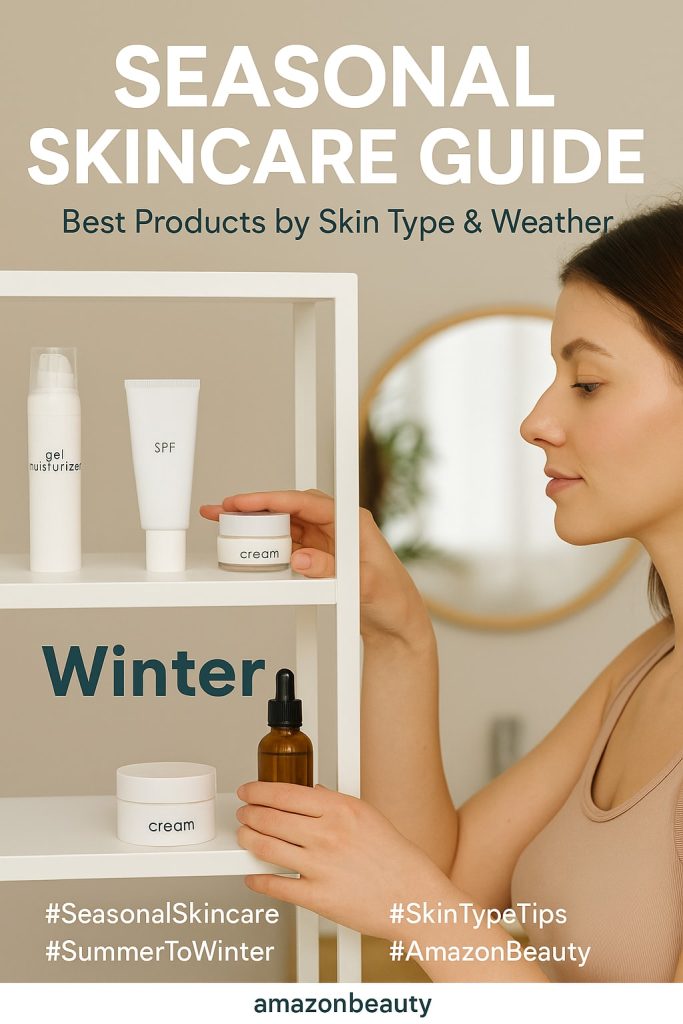
Ready to dive deeper into the world of skincare? Let’s explore the best ways to choose products that cater specifically to your skin type, ensuring you make informed decisions that bring your skin to life!
DON’T MISS OUT: Click here to discover essential tips
Recognizing Your Skin Type
Before embarking on the journey to find the perfect skincare products, it is imperative to accurately identify your skin type. Understanding the characteristics that define each skin category allows you to make informed and effective choices tailored specifically to your skin’s needs. What works for one person may not necessarily suit another, making personalization essential in skincare.
The first step is to conduct a simple skin assessment. Start by cleansing your face thoroughly with a gentle cleanser and then refrain from applying any products for a few hours. Observe how your skin reacts. Is it oily, dry, flaky, or a combination? Here’s a more detailed reference guide to help you pinpoint your skin type:
- Oily Skin: If your skin feels greasy, has enlarged pores, and is prone to acne and blackheads by mid-day, you likely have oily skin. This skin type is prone to excess oil production and can often feel slick, especially in warmer temperatures.
- Dry Skin: Characterized by tightness, dullness, and possible flaking or itching, dry skin often lacks moisture and can be exacerbated by environmental factors like harsh weather or central heating.
- Sensitive Skin: If your skin reacts frequently to products or environmental changes, leading to redness, itchiness, or stinging, you might have sensitive skin. It requires thorough consideration while selecting products.
- Combination Skin: Most individuals with combination skin experience a blend of oily and dry areas, typically with an oily T-zone and dry cheeks. This skin type demands a balanced approach to skincare.
- Normal Skin: If your skin doesn’t exhibit too much oiliness, dryness, or sensitivity, it may fall into the normal category. Normal skin usually has a good balance and requires basic maintenance to keep it healthy.
Understanding the nuances of your skin type can directly impact the effectiveness of your skincare routine. Each category not only requires different product selections, but also a distinct approach in terms of ingredients and consistency. For instance, individuals with oily skin should focus on mattifying products to control shine and prevent breakouts, while those with dry skin would benefit from richer, hydrating formulas to restore moisture balance.
The Importance of Active Ingredients
As you begin to sift through the myriad of products on the market, it’s crucial to familiarize yourself with active ingredients that can bolster the benefits of your skincare routine in relation to your skin type. Each active ingredient serves a purpose:
- Exfoliants: Ingredients like glycolic acid and salicylic acid work wonders for oily skin by removing dead skin cells and reducing clogged pores.
- Humectants: For dry skin, ingredients such as hyaluronic acid and glycerin attract moisture to the skin’s surface, enhancing hydration.
- Anti-inflammatory Agents: Sensitive skin can greatly benefit from soothing ingredients like chamomile and aloe vera, which calm irritation and redness.
- Moisturizers: Those with combination skin should seek products with both hydrating and oil-controlling properties to maintain balance.
Ultimately, understanding the active ingredients in products can help you create a targeted regimen that addresses your skin’s unique challenges, ensuring that each product contributes positively to your skincare goals. Dive deeper into ingredient labels and familiarize yourself with their benefits to become a more savvy consumer in your skincare journey!
Understanding Different Skin Types
Choosing the right skincare products hinges on a solid understanding of your skin type. The main categories include:
- Normal Skin: Balanced moisture levels and few imperfections. Facial products that hydrate without being overly heavy are ideal.
- Oily Skin: Characterized by excess sebum, prone to acne. Look for oil-free moisturizers and non-comedogenic formulations.
- Dry Skin: Lacks moisture and often feels tight. Hydrating creams with ceramides or hyaluronic acid are beneficial in retaining moisture.
- Combination Skin: A mix of oily and dry areas, requiring tailored products for different zones. Opt for gentle cleansers and lightweight moisturizers.
- Sensitive Skin: Easily irritated, often red or inflamed. Select products that are fragrance-free and contain soothing ingredients like aloe or chamomile.
Key Ingredients to Look For
Once you identify your skin type, delve into the ingredients in the products you choose. For dry skin types, ingredients such as glycerin and shea butter can provide essential moisture. Oily skin types benefit from salicylic acid and witch hazel to help manage excess oil and prevent breakouts. Sensitive skin loves oat extract and panthenol, which soothe and protect the skin barrier, while normal and combination skin can thrive with vitamin C and green tea for antioxidant protection.
How to Patch Test New Products
Before applying a new product across your entire face, conduct a patch test to minimize the risk of adverse reactions. Apply a small amount on a discreet area like your wrist or behind your ear, and observe for 24 hours for any signs of irritation. This simple step can save you from unpleasant surprises after introducing a new item into your regimen.
Consistency is Key
Finally, embrace the journey. It can take time for the skin to respond positively to new products. Settle into a routine that suits your skin type and stick with it for a few weeks. Keep a journal to note how your skin reacts and make adjustments if necessary based on its changing needs through different seasons or life stages.
DIVE DEEPER: Click here to learn about K-Beauty secrets
Understanding Product Formulations
As you venture deeper into the world of skincare, recognizing how product formulations align with your identified skin type becomes crucial. The way products are formulated can dramatically impact their effectiveness. From creams and lotions to serums and gels, the vehicle in which active ingredients are delivered matters significantly.
Gels are often lightweight and oil-free, making them a superb choice for those with oily skin. They provide hydration without adding excess oil, often incorporating ingredients like salicylic acid for oil control and acne treatment. In contrast, cream-based products are typically denser, which serves those with dry skin better, as these formulations are designed to lock in moisture and provide a barrier against environmental stressors.
Foaming cleansers are excellent for oily or acne-prone skin, as they tend to remove excess oil effectively. Just be cautious: over-cleansing can lead to increased oil production, so finding a gentle foaming cleanser is essential. For sensitive skin, opt for cream or oil-based cleansers that maintain the skin’s natural moisture barrier while cleansing gently.
Selecting the Right Sunscreen
Another key component of your skincare regimen is sunscreen, essential for all skin types regardless of age or condition. However, selecting the right formula can be a bit tricky. Physical sunscreens that contain zinc oxide or titanium dioxide are recommended for those with sensitive skin because they sit on the skin’s surface, blocking UV rays without causing irritation. On the other hand, chemical sunscreens may be preferred by those with normal or oily skin, as they generally absorb quickly and tend to feel lighter on the skin.
Those with oily skin should look for sunscreens labeled as “matte-finish” or “oil-free,” while individuals with dry skin can benefit from sunscreens that include hydrating ingredients, such as hyaluronic acid or glycerin. Choosing the right formulation ensures that your skin is not only protected but also nourished throughout the day.
The Role of pH Balance
Another aspect often overlooked in skincare is pH balance. The skin’s natural pH is between 4.5 and 5.5. Using products that are overly alkaline or acidic can disturb this balance, leading to issues such as irritation or breakouts. pH-balanced cleansers can help maintain the integrity of the skin barrier, especially important for sensitive and dry skin types. Ensure to check for pH-balanced labels or formulations that promote this characteristic.
Patch Testing Products
Before fully committing to any new product, patch testing is an essential step that shouldn’t be overlooked, particularly for those with sensitive skin. To patch-test, apply a small amount of the product to a discreet area of skin, such as behind your ear or on your forearm, and wait 24 hours to observe any reaction. This simple precaution can prevent unwanted reactions and help you learn how your skin responds to various formulations.
Finding skincare products tailored to your unique skin type requires thoughtful consideration of formulation types, active ingredients, and personal reactions. By understanding how different products interact with your skin, you empower yourself to curate a regimen that promotes both beauty and health.
DISCOVER MORE: Click here for tips on keeping your makeup fresh
Conclusion
Choosing the right skincare products for different skin types may seem overwhelming, but understanding your skin’s unique needs can transform the experience into an enjoyable journey towards healthier skin. By identifying your specific skin type—be it oily, dry, combination, or sensitive—you can make informed choices about ingredients and formulations that will work best for you. Always remember that tailored formulations, such as lightweight gels for oily skin and rich creams for dry skin, provide targeted benefits, enhancing your skin’s overall appearance and health.
Your quest for the perfect products should also encompass essential factors like sun protection and pH balance. Prioritizing SPF in your daily regimen is key for all skin types, while selecting pH-balanced products can help maintain your skin’s integrity and prevent irritation. Additionally, never underestimate the importance of patch testing, especially if you have sensitive skin, to ensure compatibility and avoid adverse reactions.
Ultimately, the world of skincare is a personal exploration. With the vast array of options available, staying informed about active ingredients, product formulations, and skin responses empowers you to develop a customized routine that brings out your natural beauty. Dive deeper into the vast knowledge surrounding skincare, and remember, your skin deserves attention and care—as it reflects not just your appearance, but your overall well-being.
Related posts:
Personalized Skincare: The New Frontier of Beauty
Sustainable Skincare Trends: The Future of Beauty Products
The Impact of Technology on Skincare Product Formulation
The Relationship Between Diet and Skin Health: The Role of Supplements
The Role of Sunscreens in Skincare Routine: Myths and Truths
The Influence of Social Media on the Popularization of Skincare Products

Linda Carter is a writer and beauty expert specializing in skincare routines, cosmetic ingredients, and holistic self-care practices. With extensive experience helping individuals achieve healthy, radiant skin and make informed beauty choices, Linda shares her knowledge on our platform. Her goal is to empower readers with practical advice and science-backed strategies for lasting beauty and skin health.