Digital Mind Games: Exploring the Effectiveness of Apps in Improving Memory Skills

Enhancing Memory Through Digital Innovation
In a world characterized by rapid technological advancements and an overwhelming amount of information, memory skills have never been more essential. The ability to retain and recall information effectively plays a vital role in both our personal and professional lives, enabling us to navigate tasks, learn new concepts, and make informed decisions. In response to this growing need, memory training apps have emerged, offering a modern solution for sharpening our cognitive abilities. These digital mind games, which are easily accessible via smartphones and tablets, have captured the attention of millions looking to enhance their mental acuity.
These apps claim to provide several benefits that can significantly impact users’ daily lives, including:
- Improved focus and attention: By engaging users in specific tasks, memory apps can train the brain to minimize distractions.
- Enhanced problem-solving skills: Players often encounter puzzles that require creative thinking and strategizing, fostering a sharper intellect.
- Increased cognitive agility: As users train regularly, they may notice improved reaction times and greater flexibility in thought processes.
With an ever-expanding market of options, the effectiveness of these tools is a pressing question. Studies indicate that the outcomes can vary widely, influenced by several key factors:
- Frequency of use: Regular engagement with these apps tends to yield better results than sporadic participation.
- Types of games played: Some games may target specific areas of memory, while others may fall short, leading to inconsistent results.
- Individual learning styles: A game that works well for one user might not have the same effect on another due to differing approaches to learning.
Popular brain-training applications such as Lumosity, Elevate, and Peak have garnered significant attention among users, each offering unique features tailored to various aspects of cognitive development. However, a question looms: are these applications scientifically validated? An array of research studies has sought to evaluate the impact of digital games on cognitive abilities, uncovering a landscape that includes both remarkable progress and notable limitations.
For instance, while some studies report advancements in areas like working memory and processing speed after consistent use of these apps, others caution against overestimating their effectiveness, suggesting that the benefits might not transfer to everyday cognitive tasks. Furthermore, as users navigate these applications, many report a mix of enjoyment and frustration, highlighting the importance of motivation and engagement as critical elements for successful learning.
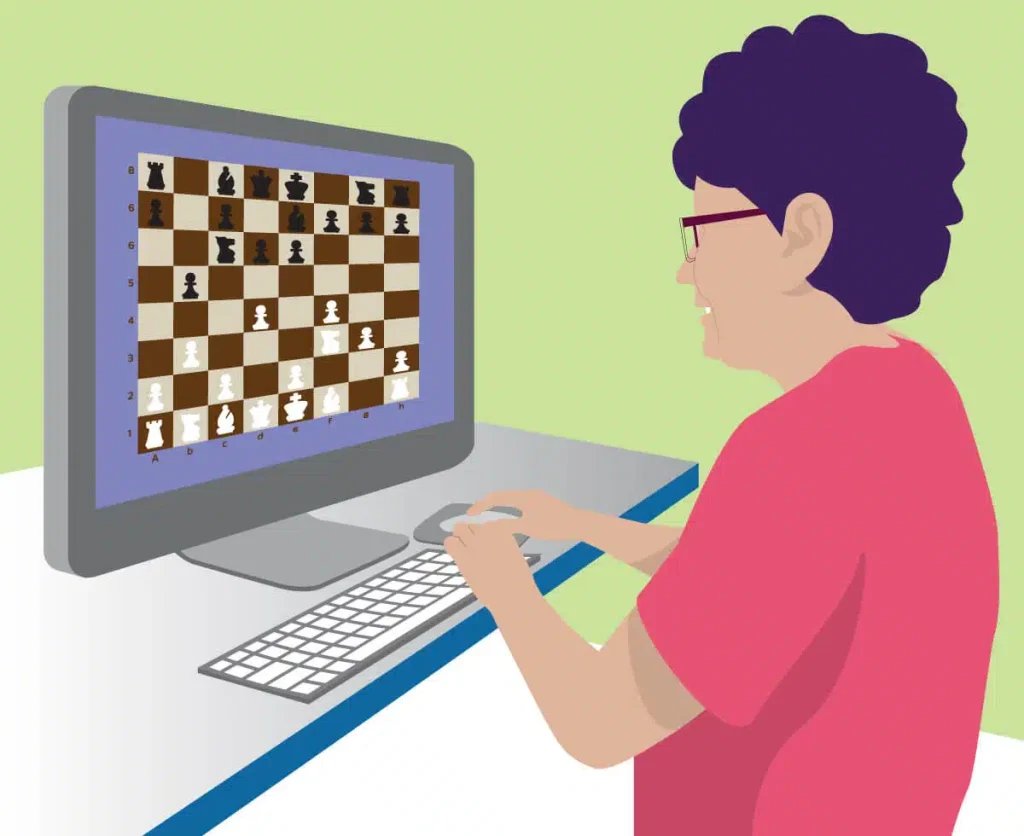
As we delve deeper into the world of digital mind games, the dual perspectives of user testimonials and scientific research highlight the ongoing dialogue surrounding their effectiveness. This exploration invites readers to consider not only their personal experiences with these tools but also how they might fit into the broader context of cognitive enhancement strategies available today.
DIVE DEEPER: Click here to discover innovative strategies
Understanding the Science Behind Digital Memory Training
As the brain develops and processes information, it does so through a complex network of neurons and connections that constitute our cognitive abilities. When exploring the effectiveness of digital mind games, it is imperative to understand how certain cognitive training methods stimulate these neural pathways. Research demonstrates that engaging in cognitive exercises can enhance synaptic plasticity—the brain’s ability to reorganize itself by forming new neural connections—which plays a significant role in memory improvement.
The mechanisms employed by memory training apps typically include a mix of games designed to stimulate various cognitive functions. Here are some common features of these applications:
- Working Memory Exercises: Tasks that challenge users to hold and manipulate information in their minds, often through sequences or patterns.
- Visual-Spatial Reasoning: Games that test and enhance users’ ability to visualize and mentally manipulate objects, which is critical in fields like engineering and architecture.
- Attention Control: Activities specifically aimed at sharpening users’ focus and concentration, necessary skills for absorbing and retaining new information.
Within the digital landscape, user experience plays a pivotal role in engaging learners and sustaining their interest. Applications often incorporate gamification elements—such as points, levels, and rewards—to motivate users to continue practicing. This dynamic environment can lead to a more enjoyable learning experience, enabling users to build habits that eventually lead to improved memory skills.
This potential for enjoyment is not to be underestimated. A study published in the journal Nature highlighted that motivation is a critical factor in the efficacy of cognitive training. Participants who approached these mind games with a sense of fun and competition reported more significant improvements in their memory skills compared to those who found the experience tedious. Therefore, the integration of playful elements into memory apps not only makes the learning process enjoyable but also may have a lasting impact on memory retention.
However, while increased motivation can correlate with improved outcomes, there are fundamental questions regarding the depth and longevity of the cognitive benefits derived from these applications. The notion of transferability is particularly compelling; that is, do the skills enhanced through digital mind games translate into practical improvements in real-world memory tasks? Some studies suggest that while users may exhibit noticeable enhancements in their performance within the apps, these gains do not always carry over into everyday situations. This discrepancy calls for a more nuanced approach to evaluating the true effectiveness of cognitive training tools.
As we uncover the layers of memory training apps, it becomes evident that the scientific and experiential elements intertwine to either elevate or inhibit their effectiveness. Delving into personal stories from users alongside empirical data provides a well-rounded perspective, inviting further examination of how best to leverage these digital mind games as tools for memory enhancement.
Understanding Digital Mind Games
The rise of technology has transformed various aspects of our lives, including how we enhance cognitive functions. Digital mind games, specifically designed apps for cognitive improvement, have become increasingly popular for fostering memory skills. These applications incorporate engaging exercises and challenges that promise to stimulate brain activity and improve recall abilities.
How Apps Impact Memory Retention
Memory retention is a crucial skill that supports learning, work performance, and daily activities. Apps targeted at improving memory often operate on the premise of neuroplasticity—the brain’s capacity to reorganize itself by forming new neural connections. Many of these digital games employ techniques such as spaced repetition and mnemonic devices, which have been scientifically validated to enhance memory performance. By continuously challenging users with varying levels of difficulty, these tools encourage ongoing engagement, cultivating better memory retention over time.
Real-World Applications
The implications of improved memory skills extend beyond mere gaming. Research suggests that regular use of memory-enhancing apps can significantly benefit older adults experiencing cognitive decline and individuals seeking to sharpen their skills for professional advancement. Furthermore, educators and students alike can utilize these tools to reinforce learning, making studying more interactive and effective.
| Advantages of Digital Mind Games | Key Features |
|---|---|
| Engaging Gameplay | Combines fun and learning, appealing to a wide audience. |
| Customized Learning | Adapts to individual skill levels, fostering personalized progress. |
| Accessibility | Available on various devices, supporting on-the-go learning. |
| Track Progress | Offers insights into improvement over time, motivating continued use. |
This intersection of technology with cognitive science can potentially reshape how we approach learning and memory enhancement. As we explore these digital avenues further, one can only wonder how far these advancements will take us in our quest for intellectual development.
DISCOVER MORE: Click here to learn how puzzles boost your brain power
The Role of Personalized Learning in Memory Apps
As digital mind games evolve, one of the most significant advancements is the incorporation of personalized learning algorithms. These algorithms analyze a user’s performance in real-time, adjusting the difficulty level and type of exercises to match individual capabilities and learning pace. Such tailored experiences can enhance engagement, as users often find routines that challenge yet do not frustrate them are the most beneficial.
For instance, the app Elevate employs adaptive learning techniques to ensure that players encounter tasks suited to their specific skill levels. This allows users to progress naturally without feeling overwhelmed or underwhelmed. Research indicates that users who engage with personalized features for memory training apps exhibit greater improvements in memory retention. A study highlighted in the journal Psychological Science found that personalization spans beyond merely improving motivation; it significantly impacts cognitive outcomes by providing the right balance of challenge and skill.
Furthermore, user data can reveal interesting trends regarding cognitive performance across demographics. For example, adults between 30 and 40 often have different memory training needs compared to seniors. While younger users might benefit from faster-paced visual-spatial challenges, older users may need more emphasis on recalling information and mental flexibility tasks that reflect their everyday experiences. Content that resonates with users enhances the relevance and applicability of the training, reinforcing the idea that those using the apps are not merely playing games but engaging in serious cognitive exercises.
Investing time in these personalized experiences can lead to remarkable benefits. Consider the app Peak, which includes personalized assessments that address memory, problem-solving, and verbal skills tailored to individual progress and professional demands. Users who interact with assessments that directly connect to their daily tasks often report having more tools to handle real-world memory challenges than those who engage in less targeted practices. This personalization may be a key to unlocking sustained cognitive improvement.
Evaluating Long-Term Effects: Sustaining Memory Gains
Digital mind games provide immediate engagement, but the challenge lies in evaluating the long-term cognitive effects they impart on users. The concept of neuroplasticity suggests that the brain can change and grow in response to repeated activities, whether through digital games or traditional memorization techniques. Initial studies have praised memory apps for increasing memory retention over short periods, but questions linger regarding their effectiveness over the long haul and the stability of these benefits.
A meta-analysis published in the journal Trends in Cognitive Sciences offers valuable insights into the variability in response rates among users of memory apps. Some individuals experience sustained improvement over months, while others see diminishing returns after initial engagement. The difference often hinges on one crucial factor—maintenance practices. Gamifying memory training is effective; however, those who incorporate these games into a broader framework of cognitive activities tend to retain their gains longer compared to those who only occasionally engage in training.
Moreover, a longitudinal study conducted by neuroscientists at Stanford University highlights important interactions between digital gaming and traditional cognitive strategies like reading and social interactions. Users who combine digital memory games with offline activities such as journaling or group discussions report a more holistic enhancement in memory skills. This multifaceted approach recognizes the necessity of various forms of cognitive stimulation for lasting effects. Thus, while digital mind games are beneficial, integrating them into a more enriched daily routine seems to be the key to unlocking their full potential.
As more studies emerge examining the combination of personalized experiences and the importance of varied cognitive practices, it paves the way for further exploration into the landscape of memory enhancement through digital mind games. The continuing evolution in this field suggests a promising future for applications that not only entertain but also serve as crucial tools for cognitive development.
DISCOVER MORE: Click here to learn about cognitive skill development through logic games
Conclusion: The Future of Memory Training Through Digital Mind Games
In conclusion, digital mind games are rapidly transforming the way we approach cognitive improvement, particularly in enhancing memory skills. The integration of personalized learning algorithms within these apps offers a tailored experience that resonates with users, fostering greater engagement and effective learning outcomes. As evidenced by studies, the adaptability of applications like Elevate and Peak highlights their potential to address individual learning needs, making them more than just an entertainment option but a serious component of cognitive training.
However, while the immediate benefits of these memory apps are apparent, their long-term effectiveness remains a subject of investigation. The concept of neuroplasticity unveils the brain’s remarkable ability to adapt, yet ensures that sustainable improvements require consistent maintenance and integration of various cognitive activities. Users who combine digital exercises with traditional strategies, including reading and social interactions, could see a more profound impact on their memory capabilities.
As research continues to uncover the nuances of how these applications can aid in memory enhancement, the future looks promising. With an ever-growing array of resources and advancements, users have access to innovative tools that can aid in unlocking their full cognitive potential. Therefore, whether you are an adult looking to sharpen your memory or a senior striving for mental agility, incorporating digital mind games into your routine might just be the key to a sharper mind.
Related posts:
How Memory Challenges in Video Games Stimulate Cognitive Growth
The Role of Daily Brain Teasers in Improving Long-Term Memory Retention
Memory Enhancement Through Play: The Role of Board Games in Sharpening Recall
The Science Behind Memory Games: How Puzzles Enhance Cognitive Function
The Effect of Collaborative Puzzle Solving on Memory Improvement
The Impact of Crossword Puzzles on Long-Term Memory Retention

Linda Carter is a writer and puzzle expert specializing in mind games, brain teasers, and cognitive challenges. With extensive experience helping individuals enhance their problem-solving skills and think critically, Linda shares her knowledge on our platform. Her goal is to empower readers with practical advice, engaging puzzles, and strategies to sharpen their minds and achieve success in the captivating world of mind games and puzzles.