The Impact of Stress on Skin Health: Stress Reduction Strategies to Prevent Premature Aging
The Connection Between Stress and Skin Health
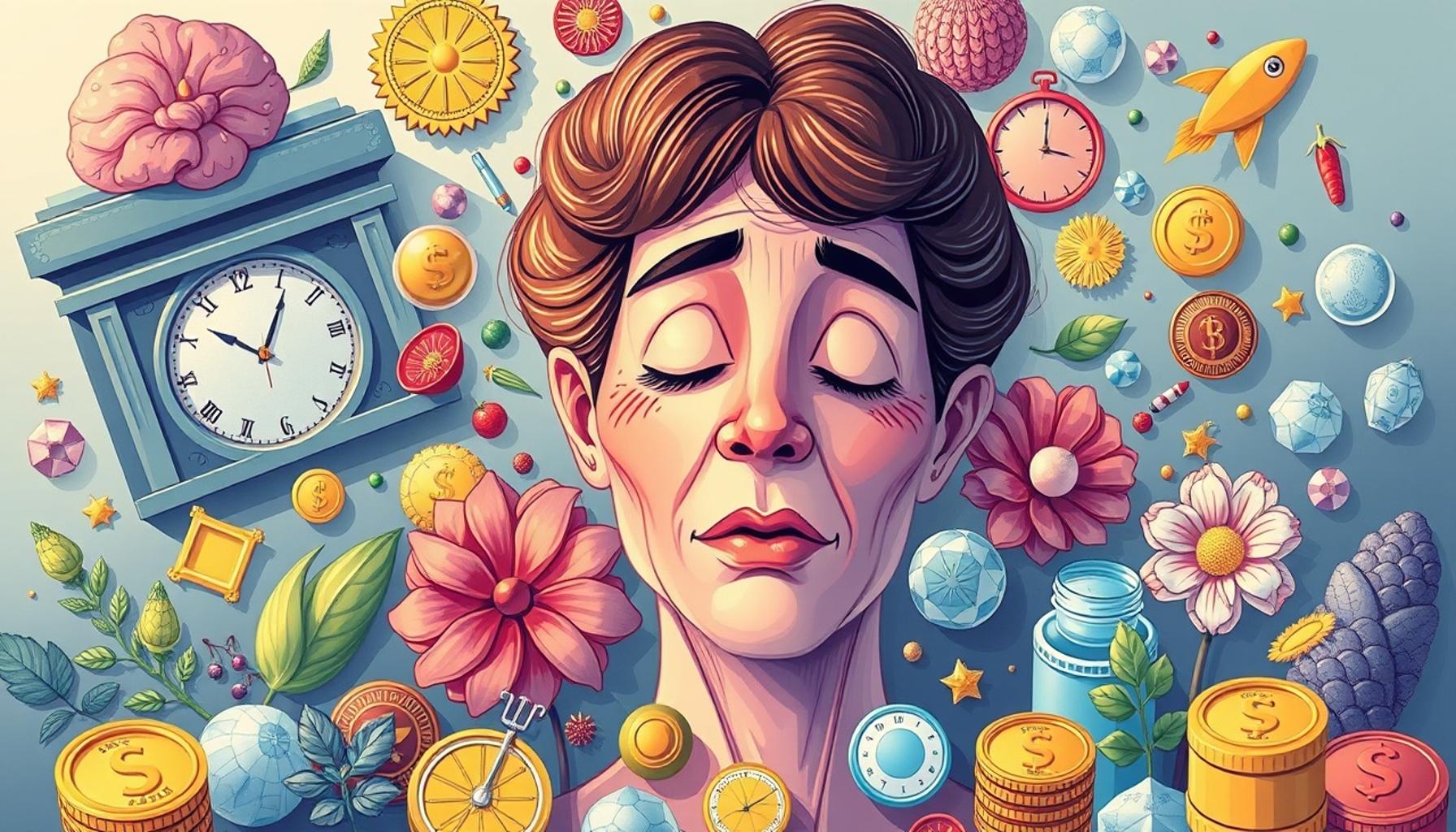
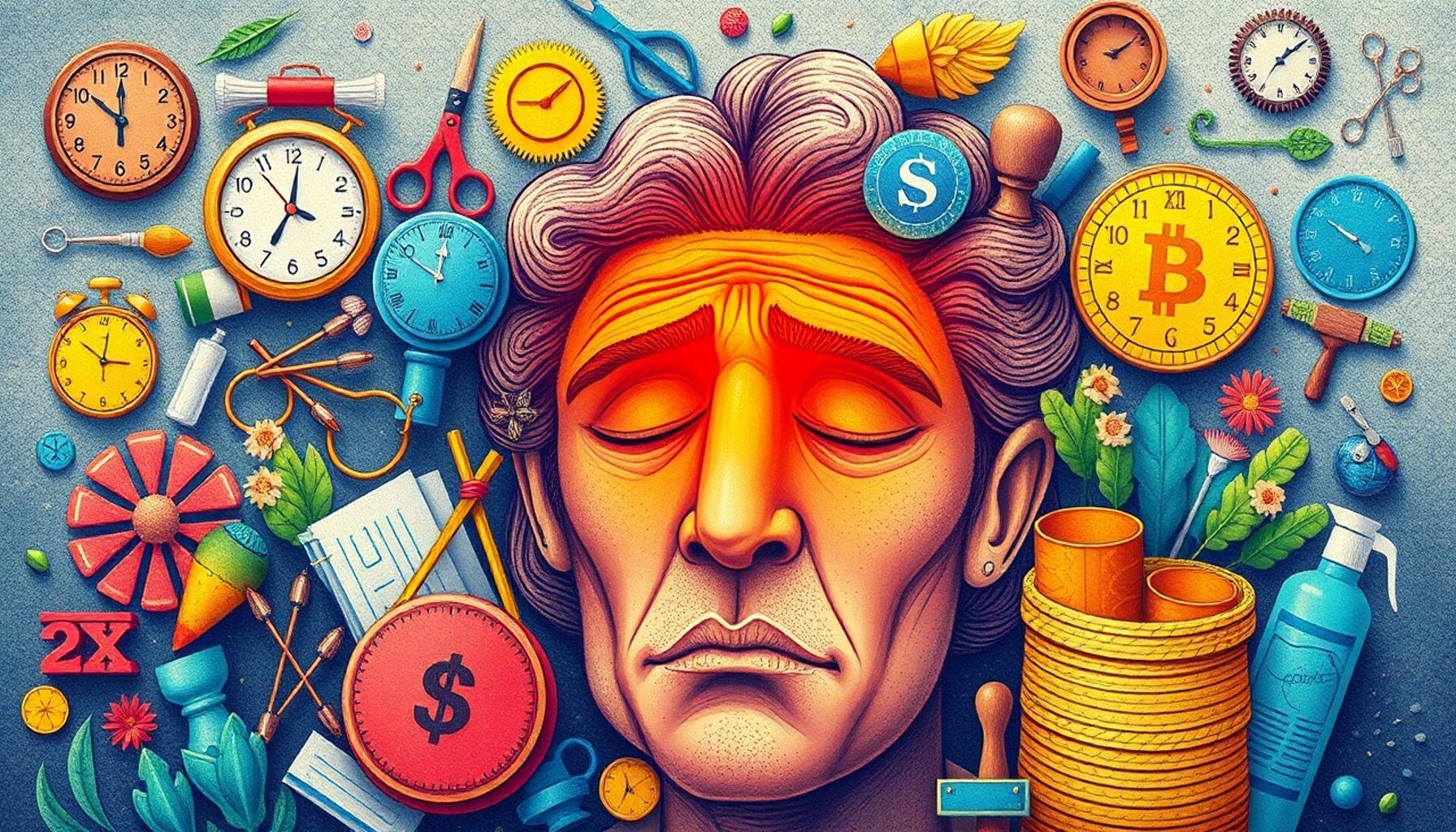
Stress influences various aspects of our physical wellbeing, and skin health is no exception. When we experience stress, whether from work, personal relationships, or the pressures of modern life, our body reacts in several ways that can lead to skin-related problems. The skin is often described as a barometer for our internal health, and stress can result in a range of issues, including premature aging, breakouts, and other dermatological conditions.
Understanding the intricate link between stress and skin health is crucial. Here are some of the significant ways stress can affect our skin:
- Increased Cortisol Levels: When faced with stressful situations, our body produces cortisol, a hormone that is crucial for our stress response. However, chronic elevation of cortisol levels can lead to increased oil production in the skin, contributing to inflammation and breakouts such as acne and rashes. For example, many people notice flare-ups of acne during exam periods or while facing job-related pressures.
- Compromised Skin Barrier: Stress can impair the skin’s barrier function. This barrier is our skin’s defense against environmental factors, including bacteria and pollutants. When stressed, the skin may become dehydrated, leading to a compromised barrier that can result in conditions such as eczema and allergic reactions. Individuals may find their skin becoming increasingly sensitive, experiencing redness and irritation.
- Accelerated Aging: Chronic stress can hasten the aging process of the skin. Elevated cortisol levels can break down collagen and elastin, the proteins responsible for skin firmness and elasticity. This breakdown can lead to premature fine lines and wrinkles. Research suggests that individuals under prolonged stress may show signs of aging earlier than their peers, prompting the need for effective stress management strategies to mitigate these effects.
Considering the prevalence of stress in today’s fast-paced society, adopting effective stress reduction techniques becomes increasingly important. Research indicates that implementing stress-relief methods not only enhances mental wellbeing but also leads to significant improvements in overall skin health. Techniques such as mindfulness, meditation, and yoga have been shown to lower cortisol levels, encouraging a more balanced hormonal response.
Moreover, dietary adjustments can play a pivotal role. Consuming nutrient-rich foods that are high in antioxidants—found in fruits and vegetables—can combat oxidative stress that further damages skin. Keeping hydrated is also essential, as proper hydration helps maintain skin elasticity and overall health.
This article will delve deeper into actionable strategies that can help combat stress and its negative effects on your skin, featuring methods ranging from relaxation techniques to nutritional guidance for better skin health. Discovering these solutions may not only enhance your skin’s appearance but also contribute to your overall wellbeing.
DISCOVER MORE: Click here to enhance your beauty routine
Understanding Stress-Induced Skin Changes
Stress can have a profound impact on our skin health, manifesting in ways that are often alarming and frustrating. As our body responds to stressors, it undergoes a cascade of physiological changes that can wreak havoc on our skin. The ongoing battle between daily stress and skin vitality leaves many individuals wondering how to reclaim their healthy appearance. Here are some of the primary ways stress can alter skin health and contribute to premature aging:
- Increased Oil Production: Stress can ramp up oil production in the skin, largely due to the surge of cortisol. This excess oil can lead to clogged pores and subsequent breakouts. For many individuals, especially teens and young adults, stressful periods—like exam seasons or critical job interviews—are notoriously accompanied by unexpected acne flare-ups.
- Inflammatory Responses: The relationship between stress and inflammation is well-documented. With stress comes a heightened inflammatory response which can manifest as redness, swelling, and rashes. Conditions like rosacea may become exacerbated, leading to insecurity and discomfort.
- Skin Aging Acceleration: Premature aging is a significant concern with chronic stress, as it is linked to the breakdown of collagen and elastin. A study from the American Academy of Dermatology indicates that consistent stress can lead to a noticeable increase in fine lines and crow’s feet, significantly impacting self-esteem and quality of life.
Despite these daunting effects, there is hope. A growing body of research points to the benefits of integrating stress-reduction techniques into daily life, which can significantly help in reversing some of the damage done to our skin. For instance, engaging in mindfulness practices such as meditation can lower cortisol levels, promoting a healthier hormonal balance that is less detrimental to skin health.
Incorporating activities like yoga can be particularly beneficial, providing both physical and psychological relief. Yoga not only fosters relaxation but also enhances blood flow, which can nourish the skin and aid in detoxification processes. Techniques like deep breathing and visualization further combat the physiological impacts of stress, giving individuals an empowering sense of control over their overall wellbeing.
Nutritional choices also play an essential role in managing stress-induced skin concerns. Foods that are rich in vitamins C and E, such as citrus fruits, nuts, and leafy greens, can bolster the skin’s resilience against stress. Additionally, staying hydrated allows for better skin elasticity and repair, making hydration a non-negotiable aspect of maintaining skin health during stressful times.
In summary, understanding the impact of stress on the skin is the first step toward reclaiming a youthful glow. Embracing effective stress reduction strategies not only benefits mental health but also protects our skin from the toll of modern life’s pressures. Delving into follow-up strategies can lead to clearer skin and a more balanced life, further underscoring the profound connection between stress management and skin vitality.
The Link Between Stress and Skin Health
The connection between stress and skin health is well-documented and often underestimated. When individuals experience stress, their bodies produce higher levels of the hormone cortisol, which can lead to skin issues such as acne, psoriasis, and eczema. Moreover, stress often triggers inflammation, resulting in conditions that accelerate the aging process. It can manifest as dry skin, wrinkles, and a dull complexion, which highlight the importance of managing stress for maintaining youthful skin.Additionally, stress can disrupt sleep patterns, leading to fatigue and an increase in premature aging signs. Lack of sleep causes the skin to lose its natural glow and hampers its ability to repair itself. Therefore, cultivating effective stress management techniques becomes essential not just for mental well-being but for skin health as well.
Effective Stress Reduction Strategies
Finding ways to alleviate stress can dramatically benefit skin health. Here are some strategies that can contribute to not only mental peace but also promote a more radiant complexion:1. Mindfulness and Meditation: Practicing mindfulness techniques, such as meditation and deep-breathing exercises, can significantly lower cortisol levels, helping to prevent the negative impacts on skin health. 2. Exercise: Regular physical activity not only improves mood but also enhances blood flow, which can contribute to healthier skin by bringing more oxygen and nutrients to skin cells.3. Quality Sleep: Ensuring consistent, restorative sleep is paramount. Creating a calming bedtime routine can facilitate a deeper sleep cycle, during which skin repair occurs.4. Healthy Diet: A balanced diet rich in antioxidants, vitamins, and minerals can combat the effects of stress on the skin, promoting its elasticity and overall health.5. Skincare Routine: A tailored skincare regimen that includes hydrating and soothing products can help mitigate immediate stress-induced skin reactions, preserving a youthful appearance.Incorporating these strategies into daily life not only enhances emotional well-being but directly contributes to skin health, making them indispensable for anyone concerned about premature aging.
| Category | Description |
|---|---|
| Mindfulness & Meditation | Enhances mental clarity and reduces cortisol levels, contributing positively to skin health. |
| Regular Exercise | Boosts circulation, delivering essential nutrients to the skin and fostering a youthful glow. |
| Quality Sleep | Facilitates skin repair processes, preventing premature aging signs and ensuring a vibrant appearance. |
| Healthy Diet | Provides antioxidants and nutrients that combat stress effects, enhancing skin elasticity and suppleness. |
Incorporating these practices not only leads to improved emotional health but also acts as a powerful shield against the aging effects of stress on your skin. Exploring these strategies can prove beneficial for anyone seeking to maintain their youthful appearance in the face of life’s pressures.
DIVE DEEPER: Click here to discover the benefits of coconut oil for skin hydration
Proactive Approaches to Combat Stress-Related Skin Issues
As the connection between stress and skin health becomes increasingly clear, it’s crucial to explore additional stress reduction strategies that can mitigate the adverse effects on our skin. Integrating holistic practices, lifestyle adjustments, and targeted skin care routines can make a significant difference in managing stress-related skin conditions and promoting youthful vitality.
Holistic Practices: Nature and Nurture
Embracing nature’s healing touch has profound effects on mental well-being, which in turn can positively influence skin health. Spending time outdoors, whether through leisurely walks in the park or adventurous hikes in scenic locales, not only provides fresh air and sunlight—both essential for vitamin D synthesis—but also serves as an effective stress-reliever. Research indicates that exposure to green spaces can reduce cortisol levels and promote relaxation. Furthermore, activities like gardening can be meditative and gratifying, empowering individuals to connect with nature while also reaping the benefits of physical activity.
Targeted Skin Care: Ingredients that Heal
The skin is often the first to signal stress, but the right products can bolster its defenses. Incorporating antioxidant-rich skincare ingredients such as vitamin C, hyaluronic acid, and green tea can rejuvenate stressed skin. Vitamin C helps to combat oxidative stress, reducing fine lines and promoting skin illumination, while hyaluronic acid provides hydration and elasticity. Green tea is not only a soothing drink but also a fantastic topical treatment, with its anti-inflammatory properties capable of calming irritated skin.
Moreover, proper skincare routines involving gentle cleansing, exfoliating, and moisturizing may be a game changer. Opting for soothing formulations can alleviate discomfort associated with stress-induced irritations. Routine treatments, such as weekly masks enriched with calming ingredients like chamomile or aloe vera, can enhance skin recovery and provide a sense of indulgence that relieves stress.
Social Connections: Building Support Networks
We often underestimate the power of strong social networks on mental health. Engaging with friends or family members can help alleviate feelings of loneliness and anxiety that may accompany periods of stress. Research from the American Psychological Association reveals that social engagement reduces stress levels and increases feelings of resilience, which can ultimately lead to improvements in skin health.
Participating in group activities, whether joining a local fitness class or attending community workshops, can enhance social connections while addressing health and well-being. Connection with others fosters a sense of belonging, which acts as an emotional buffer against stressors. Additionally, discussing skin concerns in a supportive setting can lead to shared strategies and ultimately, more effective personal care routines.
Mindful Consumption: The Role of Diet
Nourishing the body with a well-balanced diet plays a crucial role in managing stress and maintaining skin health. Foods rich in omega-3 fatty acids—such as salmon, flaxseeds, and walnuts—have been linked to reduced inflammation, contributing to improved skin elasticity and a reduction in flaring conditions like eczema and psoriasis. Furthermore, incorporating a variety of colorful fruits and vegetables into daily meals increases the intake of vital antioxidants, which combat the oxidative stress caused by both internal and external factors.
Additionally, it’s important to monitor the consumption of processed foods and excessive sugars, as these can exacerbate inflammation and interfere with hormone balance. A diet rich in whole foods not only cultivates a robust immune system but also reflects positively on the skin, enhancing its radiance and vitality.
Taking steps to reduce stress and foster skin health is crucial for long-term vitality. By adopting a holistic approach that encompasses lifestyle changes, mindful skincare, community engagement, and dietary awareness, individuals can create a comprehensive framework that addresses the effects of stress while promoting youthful, vibrant skin.
DISCOVER MORE: Click here to adapt your beauty routine
Conclusion
In conclusion, the intricate relationship between stress and skin health cannot be overstated. As stress can precipitate a range of skin conditions and accelerate premature aging, it becomes imperative to adopt effective stress reduction strategies that extend beyond conventional skincare. By embracing holistic approaches—such as spending time in nature, maintaining social connections, and nourishing the body with a balanced diet—we empower not only our mental health but also our skin’s resilience against the signs of aging.
Equipping ourselves with antioxidant-rich skincare products can further shield our skin from the damaging effects of stress. From vitamin C to soothing ingredients like aloe vera, these components can rejuvenate stressed skin and promote a vibrant appearance. Moreover, integrating mindful practices such as meditation or yoga can significantly lower cortisol levels, improving both emotional well-being and skin conditions.
Ultimately, fostering skin health is a multifaceted endeavor that involves both inner harmony and external care. As more individuals begin to recognize the profound impact stress has on their skin, the adoption of these proactive measures is crucial. Delving deeper into the interplay between stress and skin can reveal a wealth of information, encouraging continual exploration and supporting a lifestyle dedicated to lasting health and beauty.
By prioritizing stress management, we can not only mitigate its effects on our skin but also enhance our overall quality of life, leading to a more youthful and vibrant complexion. Taking your skin seriously means taking your stress seriously—it’s time to prioritize both.