The Effects of Nutrition on Skin Health: Nutrients That Help Fight Aging
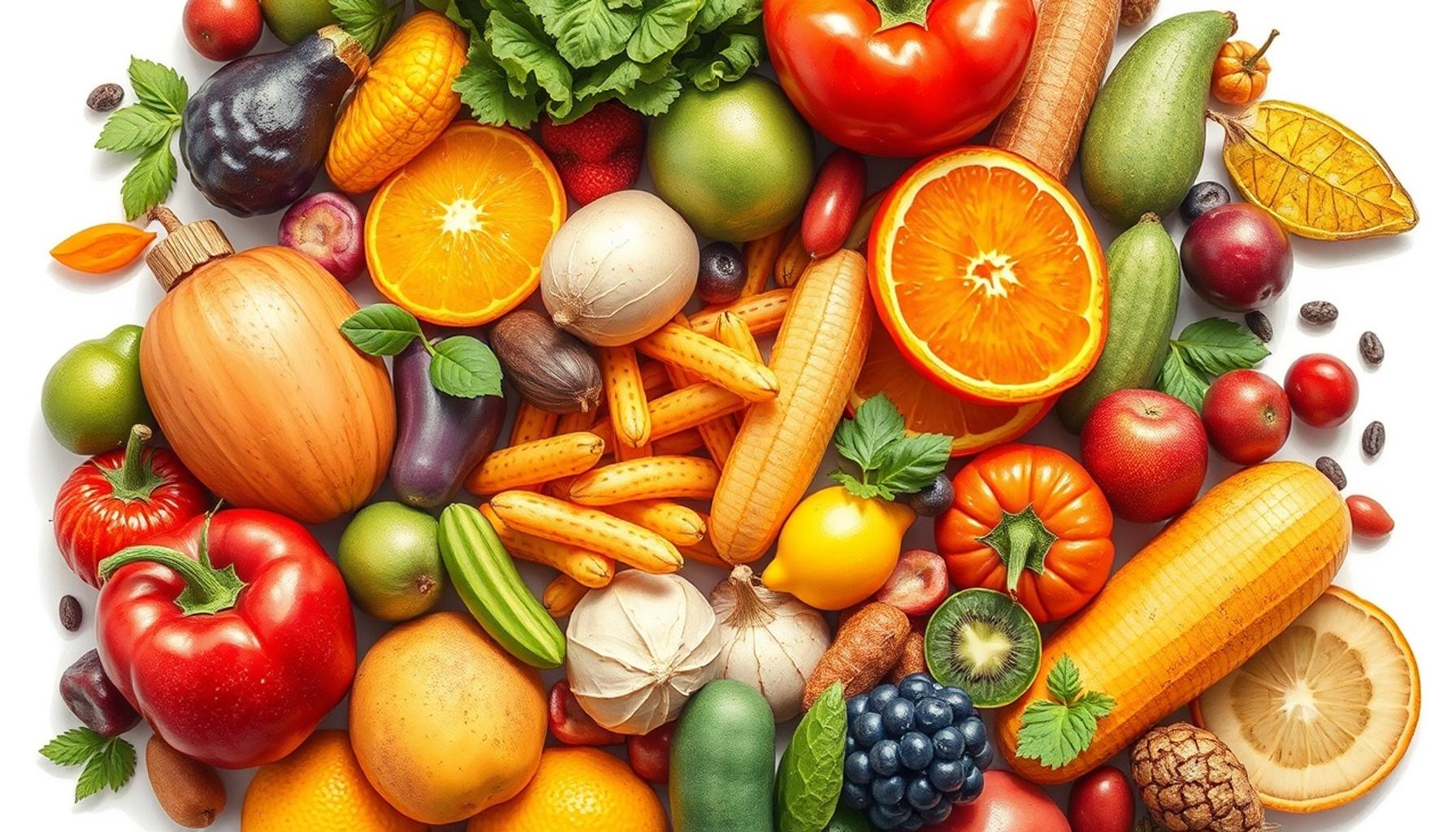
The Intricate Link Between Nutrition and Healthy Skin
For many of us, our skin serves as a tangible representation of our internal health. Fluctuations in diet, hydration, and lifestyle can manifest on our skin, leading to concerns such as dryness, acne, or premature aging. As the years pass, it’s not uncommon for wrinkles and dullness to take center stage. This reality raises an important question: how can we harness the power of nutrition to mitigate the visible effects of aging?
Scientific investigations into diet’s influence on skin health reveal a treasure trove of knowledge about what we consume. Various nutrients have been linked to enhanced skin vitality and longevity. Here are some critical components essential for maintaining youthful skin:
- Antioxidants: These powerful compounds, found abundantly in fruits and vegetables such as berries, spinach, and carrots, help shield skin cells from oxidative stress caused by environmental factors like pollution and UV radiation. For example, vitamin C-rich foods such as oranges and bell peppers not only boost collagen production but also protect against sun damage.
- Vitamins A, C, and E: Each of these vitamins plays a unique role in skin health. Vitamin A helps renew skin cells, while vitamin C is crucial for collagen synthesis. Foods like sweet potatoes and almonds are excellent sources of these vitamins, aiding in skin repair and hydration.
- Omega-3 fatty acids: Found in fatty fish like salmon, walnuts, and flaxseeds, omega-3s help maintain skin elasticity and combat inflammation. Studies suggest that these fatty acids can even alleviate conditions such as eczema and psoriasis, leading to a smoother appearance.
- Zinc: This mineral is vital for skin healing and minimizing inflammation. Sources include legumes, nuts, and whole grains. Zinc deficiency can lead to skin issues like acne and delayed wound healing.
Adopting a balanced diet enriched with these nutrients not only enhances your complexion but also establishes a solid defense against age-related skin problems. However, it’s essential to note that personal habits play an equally vital role. Factors such as hydration, sleep, and sun protection, when coupled with a wholesome diet, can make a remarkable difference in how our skin responds to aging.
In the sections that follow, we will dive deeper into specific foods rich in these crucial nutrients and how they can be effectively incorporated into your everyday meals. The exciting synergy between nutrition and skincare could potentially transform your skincare regimen and promote a healthier lifestyle.
DISCOVER MORE: Click here to learn how to simplify your skincare routine
Unlocking the Power of Nutrients for Radiant Skin
As we delve deeper into the relationship between nutrition and skin health, it becomes increasingly clear that certain nutrients play a pivotal role in the fight against signs of aging. Incorporating foods that are rich in these specific vitamins and minerals can significantly enhance skin appearance and texture, providing a natural glow while combatting fine lines and wrinkles.
One of the most compelling aspects of nutritional science is the concept of synergy. It’s not just about isolated nutrients; rather, the combination of various foods can amplify their effects. For instance, when vitamin C is consumed alongside vitamin E, studies suggest that the antioxidant properties of both can provide enhanced protection against skin damage. This phenomenon encourages a diverse diet full of colorful fruits and vegetables to reap the maximum benefits.
Key Nutrients for Youthful Skin
To effectively combat aging, it’s essential to focus on a balanced intake of the following nutrients:
- Vitamin A: Popularly known for its skin-rejuvenating properties, vitamin A plays a crucial role in cellular turnover. Foods such as carrots, sweet potatoes, and leafy greens are packed with beta-carotene, a precursor to vitamin A that helps achieve a radiant complexion.
- Vitamin C: More than just an immune booster, this vitamin is vital for collagen production, helping skin maintain its elasticity. Citrus fruits, strawberries, and bell peppers are excellent choices to incorporate into your daily diet.
- Vitamin E: Acting as a powerful antioxidant, vitamin E helps to protect the skin from free radical damage. Nuts, seeds, and avocados are rich in vitamin E and can be easily added to salads or smoothies.
- Polyphenols: These compounds found in green tea, dark chocolate, and berries not only provide antioxidants but also help reduce inflammation, supporting overall skin health and resilience against aging.
Additionally, collagen supplements have gained popularity in recent years as a means to bolster skin elasticity from within. While the body naturally produces collagen, its synthesis decreases with age. Foods that encourage collagen production, such as bone broth or foods rich in amino acids, can also be beneficial.
Incorporating these nutrients into your diet requires mindful choices and creative meal planning. Instead of reaching for processed snacks, consider opting for a colorful fruit salad topped with nuts or blending a green smoothie rich in vitamin A and C. Not only does this approach enhance skin health, but it also promotes wellness throughout the body. The interplay between diet and skin health is profound, urging us to revisit our daily meals and snacks as opportunities for nourishment rather than indulgence.
Next, we will explore specific meal ideas that incorporate these essential nutrients and demonstrate how easy it can be to maintain healthy skin through conscious eating habits.
The Role of Specific Nutrients in Skin Health
The quest for youthful skin often leads many to search for the latest skincare products, but one of the most effective solutions may lie at the end of a fork. A diet rich in essential nutrients can significantly impact skin health and combat signs of aging. Let’s explore some of the critical nutrients that are essential for maintaining a radiant complexion.
| Nutrient | Effects on Skin Health |
|---|---|
| Vitamin C | Promotes collagen production and reduces fine lines. |
| Vitamin E | Acts as an antioxidant, protecting skin from oxidative stress. |
| Omega-3 Fatty Acids | Keeps skin hydrated and reduces inflammation. |
| Biotin | Supports the growth of healthy skin cells. |
Including these nutrients in your diet can lead to markedly improved skin health. Consuming a variety of fruits, vegetables, nuts, and seeds can provide the body with these vital components that not only enhance the skin’s appearance but also promote overall health. Learning more about how these nutrients affect skin can offer new insights into achieving a youthful and vibrant look.
Exploring Antioxidants and Their Benefits
Antioxidants play a crucial role in combating skin aging by neutralizing free radicals that lead to cellular damage. Fruits rich in antioxidants, such as berries, pomegranates, and citrus fruits, are excellent additions to your diet. Not only do they help in rejuvenating the skin, but they also provide a plethora of other health benefits.
By focusing on nutrition alongside traditional skincare routines, individuals can gain further insights into natural strategies to enhance their skin’s health and appearance. The synergy of healthy eating and skincare can create a powerful regimen for fighting the effects of aging.
DISCOVER MORE: Click here to learn about the benefits of coconut oil for your skin
The Role of Hydration and Omega-3 Fatty Acids in Skin Vitality
Beyond the essential vitamins and minerals, hydration is another critical factor that significantly influences skin health. Water plays an indispensable role in maintaining skin elasticity and preventing dryness, which can exacerbate the appearance of fine lines and wrinkles. As our bodies are composed of approximately 60% water, it is vital to ensure adequate fluid intake, especially for those striving for a youthful complexion. Drinking water, herbal teas, and hydrating foods such as cucumbers, watermelon, and oranges can help support skin hydration and overall health.
Omega-3 fatty acids are also on the forefront of skin nutrition. These essential fats, found in fatty fish like salmon, walnuts, and flaxseeds, are renowned for their anti-inflammatory properties. Inflammation is a driving factor in aging, and by mitigating this, omega-3s contribute to the preservation of skin firmness and texture. Research indicates that omega-3 supplementation may effectively improve skin hydration, which can reduce the appearance of dry skin or conditions such as eczema. Integrating fish into your meals two to three times a week can bolster your omega-3 intake and enhance your skin’s resilience.
The Impact of AntioxidANTS on Skin Aging
A critical aspect of nutrition that influences skin health is the presence of antioxidants. These compounds are vital in combating oxidative stress on the skin, which accelerates the aging process. Foods rich in antioxidants, such as berries, citrus fruits, and green leafy vegetables, work synergistically with vitamins C and E to neutralize free radicals. Blueberries, in particular, are celebrated for their high antioxidant content, containing anthocyanins that protect skin cells from damage while promoting collagen production.
Another group of antioxidants worth highlighting is flavonoids, which can be found in foods like dark chocolate and green tea. Flavonoids have been shown to improve skin hydration, texture, and elasticity while also providing protection against UV radiation. Incorporating a cup of matcha or rich cacao into your daily routine can significantly amplify your skin’s defenses.
Moreover, the emerging science on probiotics not only supports gut health but may also benefit skin vitality. Research indicates that certain strains of probiotics can help alleviate skin conditions such as acne or eczema by reducing inflammation and promoting a healthy microbiome. Foods rich in probiotics like yogurt, kefir, and fermented vegetables can be an invaluable addition to your diet, helping to foster not just gut health but skin wellness as well.
Exploring meal preparation that emphasizes these nutrient-rich foods can empower individuals to enhance their skin health effectively. From colorful stir-fried vegetables drizzled with omega-3-rich oils to delectable fruit smoothies packed with antioxidants, the culinary possibilities are endless. Each meal can serve as an opportunity to nourish the skin while supporting overall bodily functions in the process. The journey to radiant skin doesn’t solely lie in topical treatments; it also stems from what we consume and how thoroughly we understand and embrace the profound connections between nutrition and skin health.
DISCOVER MORE: Click here to uncover the best SPF tips for your beauty routine</p
Conclusion: Unlocking the Secrets of Skin Health Through Nutrition
Understanding the intricate relationship between nutrition and skin health illuminates the path to a more vibrant and youthful complexion. As we’ve explored, hydration, omega-3 fatty acids, antioxidants, and probiotics play foundational roles in combating the signs of aging. The skin, being our largest organ, thrives on the essential nutrients obtained from a well-rounded diet, with each component working harmoniously to promote elasticity, hydration, and overall vitality.
Incorporating nutrient-dense foods such as fatty fish, colorful fruits, and leafy greens into our daily meals is not just a trend; it’s a lifestyle choice that can significantly impact our skin’s appearance and resilience. The addition of antioxidant-rich foods, like berries and green tea, serves to protect against oxidative stress, a leading contributor to aging. Furthermore, the potential advantages of probiotics hint at a holistic approach to skin care that transcends beyond the surface.
As you embark on your journey to enhanced skin health, consider these nutritional strategies as key allies in your quest for a more youthful appearance. Every bite counts as a step towards nourishing your skin from within. The pursuit of ageless skin is not solely reliant on topical solutions; rather, it is deeply rooted in our dietary choices. By embracing the power of nutrition, you have the incredible opportunity to influence not only the aging process of your skin but also your overall well-being. Dive deeper into this relationship, and let your plate reflect the radiance you wish to see shine through your skin.