The Importance of Visual Puzzles in the Development of Perception and Attention in Children

Understanding the Impact of Visual Puzzles on Cognitive Development
Visual puzzles are not merely a source of entertainment for children; they are multifaceted tools that significantly contribute to the enhancement of cognitive skills. Engaging with these puzzles allows children to practice their analytical abilities and develop their problem-solving strategies. Each interaction with a puzzle nurtures essential skills that are foundational to lifelong learning, making them a vital component of modern educational strategies.
Why are visual puzzles beneficial? The advantages of visual puzzles extend far beyond simple fun. Here are several key benefits that underscore their importance:
- Improved Concentration: Tackling a puzzle demands sustained focus and attention to detail. For instance, a child might spend time figuring out how to fit a piece into the larger picture, developing the ability to concentrate on one task over time.
- Enhanced Observation Skills: As children work through various puzzles, they begin to recognize patterns and details. For example, a jigsaw puzzle may require identifying color matches or shapes, fostering a keen eye for detail that can translate into improved academic performance in subjects like math and science.
- Critical Thinking Development: Puzzles often present a challenge that requires strategic problem-solving. Children learn to approach problems methodically, weigh their options, and make decisions, skills that are applicable to real-world situations and academic challenges.
In an era where distractions abound—be it smartphones, video games, or the internet—the importance of honing these skills cannot be overstated. Visual puzzles serve as an excellent tool for redirecting children’s attention back to engaging and purposeful tasks, contributing significantly to their cognitive and emotional well-being.
Beyond cognitive benefits, the tactile aspect of puzzles also enhances learning. Children experience significant educational advantages through:
- Hands-On Interaction: The act of manipulating pieces—whether through jigsaws, mazes, or spatial puzzles—reinforces motor skills while simultaneously engaging mental processes.
- Creativity and Imagination: Puzzles can provoke imaginative thinking. For instance, solving an abstract visual puzzle may inspire children to create their own designs or stories, thereby fostering creativity.
- Sense of Achievement: Successfully completing a puzzle instills a feeling of accomplishment. This boosts self-esteem and encourages a positive attitude toward learning and challenges.
As we delve deeper into the positive impacts of visual puzzles on children’s perception and attention, it becomes clear that both parents and educators can find effective strategies for cognitive development. Encouraging regular interaction with these puzzles can provide children with a robust foundation, setting them on a path towards success in future learning experiences.
DISCOVER MORE: Click here for insights on adapting strategies
Fostering Cognitive Skills Through Engaging Challenges
The benefits of visual puzzles in childhood development extend far beyond mere enjoyment; they fundamentally shape the way children perceive and interact with the world around them. As young minds engage with visual puzzles, they embark on a unique journey where cognitive growth is both experiential and interactive. By presenting challenges that require thoughtful observation and critical analysis, visual puzzles become a cornerstone in the development of essential skills.
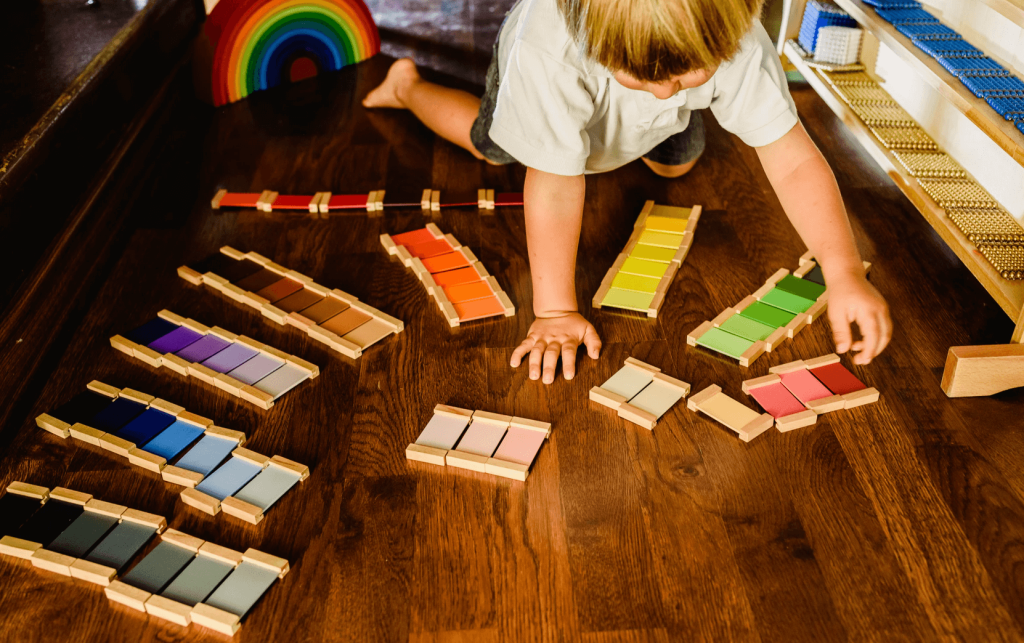
Enhancing Visual Perception: One of the most profound impacts of visual puzzles lies in their ability to refine children’s visual perception. When faced with tasks such as matching colors and identifying shapes, children are encouraged to focus intently on details that may otherwise go unnoticed. This heightened awareness can significantly influence their performance in subjects that rely heavily on visual acuity, such as art, geometry, and reading comprehension.
Promoting Sustained Attention: In a landscape where instant gratification often prevails, visual puzzles can teach children the value of patience and perseverance. Completing a challenging puzzle requires sustained attention, training the brain to resist distractions—a skill that is becoming increasingly crucial in today’s fast-paced environment. Research indicates that children who frequently engage in activities that foster attention control demonstrate better academic performance, thus underlining the importance of incorporating puzzles into everyday learning.
Additionally, the long-term cognitive benefits of these engaging tools can manifest in various ways:
- Development of Spatial Awareness: As children manipulate puzzle pieces, they naturally develop spatial reasoning skills. Understanding how objects fit together in space supports mathematical thinking and logical reasoning.
- Strengthening Memory Skills: Remembering where pieces belong and retracing steps to find solutions utilizes both short-term and long-term memory systems. This can enhance overall memory retention significantly.
- Encouraging Collaboration and Communication: Puzzles can be tackled individually or as a team. Working collaboratively with peers promotes communication, negotiation, and interpersonal skills—essential components of effective teamwork.
Moreover, the tactile nature of visual puzzles resonates particularly well with children. The act of physically handling pieces helps to solidify the learnings associated with visual perception and attention. Whether through tactile jigsaw puzzles or intricate 3D structures, these tangible interactions deepen understanding and retention of new concepts.
As parents and educators increasingly recognize the value of visual puzzles, integrating them into daily routines offers a fun and engaging way to foster cognitive development. By providing children with opportunities to challenge themselves mentally and physically, they set the stage for lasting benefits that will extend well into their academic and personal lives.
Visual puzzles, often seen as simple fun for children, actually serve as powerful tools for cognitive development. Engaging with these puzzles can hone a child’s ability to focus, recognize patterns, and enhance their spatial awareness. These skills are crucial as they lay the foundation for more complex cognitive functions later in life.The significance of visual puzzles extends beyond mere entertainment; they stimulate a child’s brain development. As children manipulate pieces and work toward a goal, they engage in critical thinking, problem-solving, and decision-making processes. This active engagement helps reinforce neural connections in the brain, particularly in regions responsible for attention and perception.Moreover, visual puzzles foster patience and perseverance. Children learn to work through challenges and develop coping strategies when faced with frustration. The satisfaction derived from completing a puzzle boosts their self-confidence and encourages a growth mindset, without which they might shy away from difficult tasks in the future.Additionally, social skills often blossom in environments where children are encouraged to solve puzzles together. Collaborative puzzle-solving teaches teamwork, communication, and the exchange of ideas, enhancing their interpersonal skills while remaining entertaining.In summary, visual puzzles serve not only as a source of enjoyment but as an essential aspect of cognitive and emotional development in children, helping shape their perceptions of the world and their ability to concentrate on tasks effectively. The long-term benefits are profound, influencing their performance in school and everyday life as they learn and grow. To illustrate these points further, the table below highlights key advantages associated with visual puzzles that underscore their importance in developing perception and attention in children.
| Category | Benefits |
|---|---|
| Cognitive Skill Development | Enhances critical thinking and problem-solving abilities. |
| Attention and Focus | Improves the ability to concentrate on tasks for extended periods. |
| Emotional Growth | Boosts self-confidence and resilience in overcoming challenges. |
| Social Interaction | Encourages teamwork and communication among peers. |
DISCOVER MORE: Click here to learn about the benefits of memory games
Nurturing Problem-Solving Abilities and Creativity
As children engage with visual puzzles, they not only sharpen their perceptual skills but also cultivate their problem-solving abilities and creativity. The process of piecing a puzzle together offers an interactive platform for children to test their hypotheses, explore different strategies, and learn from their mistakes—essential components of critical thinking.
Encouraging Strategic Thinking: Visual puzzles inherently require a systematic approach. Children learn to anticipate outcomes based on their actions, weighing the potential success of placing one piece over another. This forward-thinking mindset fosters strategic and analytical skills. According to a study published in the Journal of Applied Developmental Psychology, children who regularly engage in problem-solving activities, such as puzzles, show remarkable advancements in their ability to reason and predict outcomes. This research emphasizes how visual puzzles help children build a framework for solving complex problems, a skill that translates to real-life situations.
Enhancing Creativity: The beauty of visual puzzles lies in their ability to stimulate not just logic but also imagination. When provided with less conventional or abstract puzzles, children tap into their creative side, learning to see beyond the literal. Activities such as assembling a unique 3D puzzle or exploring themed puzzles that depict fantastical landscapes instigate imaginative thinking. Engaging in these creative tasks encourages children to envision scenarios and develop narratives around the visual elements they encounter, enriching their cognitive toolbox.
Bolstering Emotional Development: The emotional journey during puzzle-solving should not be underestimated. Completing a puzzle can elicit a profound sense of accomplishment, building self-esteem and encouraging resilience. Children learn to handle frustration, a valuable lifelong lesson that reinforces the importance of persistence. Moreover, the thrill of solving a challenging puzzle can boost motivation, leading to a more engaged and positive attitude towards future learning opportunities.
The social aspect of visual puzzle-solving cannot be overlooked. When children work together on puzzles, they practice vital skills such as negotiation, sharing, and conflict resolution. According to a survey by the American Academy of Pediatrics, collaborative play experiences, including puzzle-solving, enhance children’s social intelligence, which is crucial for their emotional health and well-being. As children navigate differing opinions about puzzle placement or strategy, they learn the art of compromise and the value of teamwork.
Furthermore, the adaptability of visual puzzles across various settings makes them exceptionally beneficial. They can easily be integrated into classrooms, playdates, family gatherings, or even quiet time at home. With options ranging from simple jigsaw puzzles to complex brain teasers and cognitive games designed specifically for various age groups, the ability to cater to diverse learning needs is a remarkable feature of visual puzzles.
Increasing access to educational resources that incorporate visual puzzles is crucial in fostering development. Educational organizations in the United States have recognized the significance of these tools, promoting initiatives that encourage the use of visual puzzles in schools and community centers. By ensuring that children are exposed to these pivotal exercises, we empower them to cultivate a profound understanding of perception and attention—skills that will be indispensable throughout their lives.
DISCOVER MORE: Click here to learn about the impact of memory games on attention
Conclusion
In summary, the role of visual puzzles in the development of perception and attention in children is profound and multifaceted. As explored throughout this article, engaging with visual puzzles enhances not only cognitive skills but also emotional and social growth. Children learn to navigate challenges, develop strategic thinking, and foster creativity, all while enjoying the process of discovery. The interactive nature of visual puzzles encourages them to think critically and approach problems methodically, skills that will serve them well in academic pursuits and beyond.
Moreover, the emotional rewards that come from successfully completing a puzzle instill resilience and bolster self-confidence, essential traits as they face life’s obstacles. The collaborative aspect of puzzle-solving also hones social skills, equipping children with conflict resolution and teamwork abilities that are vital in today’s interconnected world. Schools and communities that incorporate visual puzzles into their educational frameworks pave the way for enriched learning environments, promoting essential skills in a fun and engaging manner.
As we move forward, it is crucial to recognize the value of visual puzzles as a fundamental tool in child development. By increasing access to these resources, we provide children with opportunities to thrive intellectually and emotionally. In doing so, we enable them to build a robust foundation of perception and attention that will guide their learning journey throughout life. Thus, embracing visual puzzles is not just a playful pastime but a strategic investment in nurturing well-rounded, capable individuals.
Related posts:
How Logical Reasoning Games Can Enhance Cognitive Resilience in Adolescents
The Role of Guessing Games in Improving Communication and Critical Thinking in Teenagers
The Effect of 3D Puzzles on Spatial Perception and Creativity
The Relationship between Board Games and the Development of Social Skills in Children
How Puzzles Stimulate Problem-Solving in Adults
The Influence of Strategy Games on Child Cognitive Development

Linda Carter is a writer and puzzle expert specializing in mind games, brain teasers, and cognitive challenges. With extensive experience helping individuals enhance their problem-solving skills and think critically, Linda shares her knowledge on our platform. Her goal is to empower readers with practical advice, engaging puzzles, and strategies to sharpen their minds and achieve success in the captivating world of mind games and puzzles.