The Effectiveness of Puzzle Games in Improving Memory and Concentration

Unlocking the Power of Puzzle Games
The modern world constantly bombards us with distractions. In this milieu, the appeal of puzzle games has surged, offering an engaging way to enhance cognitive skills. Many are turning to these games, not just for entertainment, but to potentially boost memory and concentration.
Why Choose Puzzle Games?
- Variety of Options: Puzzle games come in numerous formats, catering to diverse interests and skill levels. For example, traditional crossword puzzles challenge vocabulary and general knowledge, while Sudoku tests logical reasoning and numerical skills. Jigsaw puzzles allow players to relax and enjoy a calming activity, often demanding spatial awareness and patience. This variety ensures that individuals can find something that resonates with their preferences.
- Accessibility: With the advancement of technology, puzzle games are more accessible than ever. Available on multiple platforms, including smartphones, tablets, and computers, players can engage with these games anytime and anywhere. Popular mobile applications like “Words With Friends” and “Elevate” have made it easy to play on the go, making puzzle-solving a convenient pastime.
- Social Interaction: Many puzzle games are designed with a competitive element in mind, offering modes where players can challenge friends or family. This fosters not only interaction but also camaraderie. Games like “QuizUp” or online versions of “Scrabble” create opportunities for social bonding while sharpening mental agility.
Research suggests that engaging in puzzle games may lead to improved brain function. For instance, studies indicate that regularly solving puzzles can enhance short-term memory and help with focus. This cognitive enhancement could be particularly beneficial for students and professionals who require sustained attention and retention. According to neuroscientist Dr. Barbara Sahakian from the University of Cambridge, challenging your brain with puzzles may also help delay cognitive aging.
Potential Benefits
- Enhances Problem-Solving Skills: Puzzle games encourage players to develop critical and creative thinking skills. Through the process of trial and error, players learn to approach challenges from different angles, further refining their decision-making capabilities.
- Increases Brain Connectivity: Regularly engaging in puzzle activities may strengthen neural pathways, contributing to improved cognitive resilience. This means that as players navigate complex problems, the brain builds new connections, which could potentially lead to better information processing and memory retention.
- Boosts Mood: The sense of accomplishment that comes from successfully completing a challenging puzzle can lead to an increase in dopamine levels. This is particularly significant as dopamine is associated with feelings of pleasure and reward, contributing positively to one’s mood and overall mental well-being.
As you delve deeper into the world of puzzle games, you may uncover compelling evidence that intertwines recreational activities with cognitive improvement. The journey through these games is not merely about entertainment but could very well be the key to unlocking your mental potential. By embracing this engaging form of mental exercise, you’re not just passing the time; you’re actively investing in your cognitive health and fitness.
DISCOVER MORE: Click here to dive deeper
The Cognitive Function of Puzzle Games
Puzzle games serve as more than just a casual diversion; they are pivotal in fostering cognitive growth. Engaging with these games requires players to harness and enhance their memory and concentration skills, leading to a multitude of psychological and neurological advantages. Let’s delve into how the mental mechanisms involved in puzzle-solving contribute to cognitive effectiveness.
Memory Recall and Puzzle Games
The relationship between memory and puzzle games is particularly noteworthy. Players often need to remember previous moves, recognize patterns, and strategize for future actions. This requires active engagement with their cognitive faculties. A study by the American Psychological Association indicated that tasks demanding memory recall can encourage neuroplasticity, the brain’s capacity to reorganize itself. This is particularly significant in the context of aging, where maintaining memory skills can stave off cognitive decline.
Concentration Boost
Alongside memory enhancement, puzzle games can significantly improve concentration. Players must focus intensely on the details of the game while managing time constraints or competitive elements. This concentrated effort trains the brain to filter distractions and hone in on relevant information, skills transferable to daily life challenges. Research conducted by the University of Massachusetts revealed that participants who engaged in regular puzzle activities showed a marked improvement in attention span and task completion rates.
Types of Puzzle Games and Their Impact
Different forms of puzzle games evoke varying cognitive responses. Here are a few popular types and their specific benefits:
- Crossword Puzzles: These cultivate vocabulary and semantic memory while improving verbal skills. They encourage players to connect new words with their definitions, enhancing both memory and language retention.
- Sudoku: This number-based puzzle tasks players with completing grids based on logical reasoning. Regular engagement with Sudoku has been linked to improved problem-solving skills and the ability to concentrate on numerical patterns.
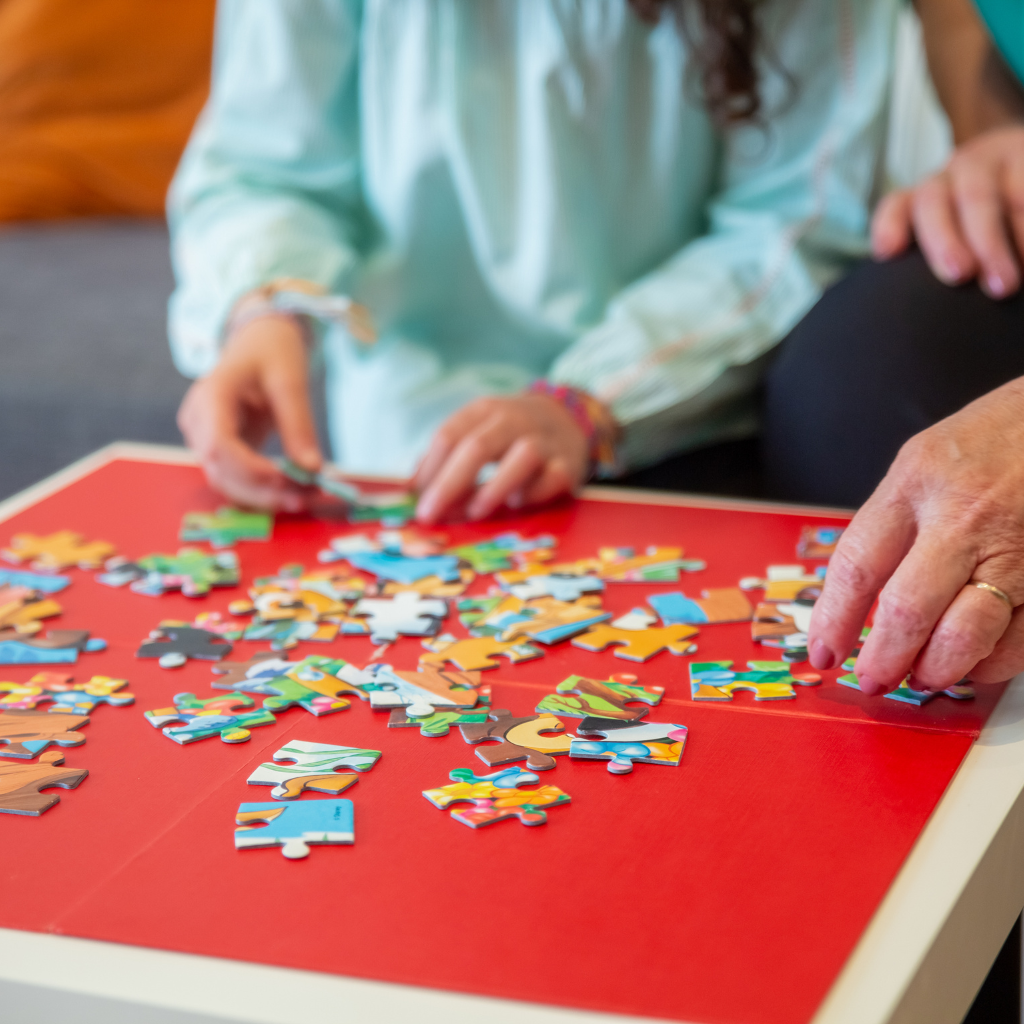
- Jigsaw Puzzles: These facilitate spatial awareness and visual memory. As players piece together fragments to form a whole, they develop persistence and patience, which further contributes to enhanced cognitive perseverance.
With the rise of mobile applications and online platforms, these puzzle games are more accessible, allowing them to fit seamlessly into busy schedules. Their engaging nature promotes a continual cycle of cognitive exercise—which is essential as the brain ages. In fact, many experts advocate that regular engagement with puzzles may serve as a preventive measure against cognitive decline.
In summary, the effectiveness of puzzle games in improving memory and concentration cannot be overstated. Engaging consistently with different puzzle formats not only entertains but also sharpens the mind, empowering players to take charge of their cognitive health. With numerous options readily available and proven cognitive benefits, there has never been a better time to embrace puzzle gaming as a favored pastime.
The Benefits of Puzzle Games for Cognitive Development
Puzzle games are more than just a source of entertainment; they serve as powerful tools for enhancing cognitive functions, particularly memory and concentration. Engaging with these games has been linked to a variety of mental health benefits. Here, we explore some notable advantages that puzzle games offer.
| Category | Advantages |
|---|---|
| Improved Memory Retention | Participating in puzzle games can significantly enhance short-term memory and retention skills through regular engagement. |
| Enhanced Concentration | Puzzle games compel players to focus deeply, fostering a higher level of concentration that can benefit other areas of life. |
The mechanism behind this effect can be attributed to the activation of various brain functions that stimulate neural connections. As players solve increasingly complex challenges, they engage in strategic thinking and problem-solving, which encourages cognitive flexibility. Moreover, consistent exposure to these games can act as a form of mental exercise, similar to physical workouts for the body.Research has indicated that individuals who play puzzle games regularly show improvements in *executive functions*, which include skills such as attention control, working memory, and cognitive control. These enhancements are not limited to gamers; they can also be instrumental in educational settings, aiding students in absorbing and retaining new information more effectively.If you are intrigued by the myriad of ways puzzle games can boost cognitive abilities, consider incorporating them into your daily routine for sharper memory and concentration.
LEARN MORE: Click here to discover how board games can enhance skills
Social Interaction and Competitive Elements in Puzzle Games
Beyond individual cognitive enhancement, puzzle games often incorporate social interaction and competitive elements, amplifying their effectiveness in improving memory and concentration. Multiplayer formats and online leaderboards add a layer of motivation that can further stimulate cognitive processes. This social aspect creates an environment where players not only challenge themselves but also each other, leading to a richer gaming experience.
The Role of Social Interaction
Engaging with others in puzzle games fosters a sense of community and collaboration, which can be particularly beneficial for cognitive health. Studies have shown that social interactions can trigger the release of neurotransmitters like dopamine and oxytocin, enhancing mood and potentially improving cognitive function. For instance, playing cooperative puzzle games encourages conversation and teamwork, allowing players to share strategies and insights. This shared problem-solving experience can aid in memory retention as players discuss different tactics and outcomes.
The Competitive Edge
On the other hand, competitive puzzle games tap into the human instinct to win and achieve goals. Players strive to beat their personal bests or outmaneuver opponents, which demands heightened levels of focus and strategic thinking. Research by the University of British Columbia found that engaging in brain-training games with a competitive component can lead to improved cognitive flexibility, allowing players to adapt their strategies more effectively. Whether it’s a race against time in a puzzle game or solving faults in a jigsaw on a shared platform, the pressure to perform can lead to sharper cognitive functions over time.
Impact on Different Age Groups
The effects of puzzle games extend across various age groups, showcasing their versatility as cognitive enhancers. For children, engaging in puzzles can foster early learning and skill development, aiding in the formation of fundamental cognitive skills. Games like memory matching or simple jigsaw puzzles are well-documented for improving attention spans and memory recall in youngsters. As children work to complete these games, they develop essential critical thinking and problem-solving skills, laying the groundwork for lifelong cognitive health.
Conversely, for older adults, puzzle games act as an engaging means of maintaining cognitive function. Studies suggest that seniors who regularly participate in brain games display sharper memory skills and improved mental agility. Engaging in socially-oriented puzzles can even help stave off feelings of isolation, linking cognitive engagement with emotional well-being. This combination emphasizes the robust impact of puzzle gaming on shared experiences and mental stimulation.
The Future of Puzzle Games in Cognitive Development
As technology continues to advance, innovative forms of puzzle games are emerging. Virtual reality (VR) and augmented reality (AR) platforms are increasingly being explored for their potential in providing immersive puzzles that could offer new avenues for cognitive training. The interactive nature of AR puzzles can demand even greater levels of memory engagement and attention, potentially leading to superior cognitive benefits. Emerging research aims to capture the efficacy of these new formats, promising even more dynamic pursuits in the realm of cognitive enhancement.
As these games evolve, so too will our understanding of their impact on cognitive health. More comprehensive studies are essential to uncover the full extent of the potential benefits associated with puzzle games, paving the way for improved memory and concentration strategies that could be harnessed not only for entertainment but also for mental health and well-being.
DISCOVER MORE: Click here to learn how escape rooms enhance problem-solving skills
Conclusion
In conclusion, puzzle games have emerged as a potent tool in enhancing cognitive function, specifically in the realms of memory and concentration. The multifaceted approach of these games, which includes social interaction and competitive elements, adds layers of engagement that stimulate mental faculties in unique ways. Through cooperative gameplay, players not only strengthen their memory skills but also foster social connections that can enhance emotional well-being, particularly for younger audiences and seniors alike.
Moreover, the competitive aspect encourages players to push their cognitive boundaries, as they strive to improve their skills and outperform others. This dynamic not only sharpens focus but also develops critical thinking and quick decision-making abilities, essential qualities in today’s fast-paced world. Game formats that are engaging and stimulating promise not only immediate entertainment but also long-term cognitive benefits.
Looking ahead, the integration of virtual reality and augmented reality in puzzle game design presents exciting prospects for even more immersive cognitive training experiences. As these technologies evolve, they have the potential to redefine the landscape of memory and concentration enhancement, making cognitive development not just an optional endeavor but an engaging part of daily life.
To truly harness the capabilities of these games, further research is essential. Understanding the full spectrum of benefits provided by puzzle games can lead to compelling strategies for mental health and cognitive enhancement. For those seeking to improve their memory and concentration, turning to puzzle games might be one of the most enjoyable and effective solutions available.
Related posts:
The Influence of Memory Games on the Improvement of Sustained Attention
The Importance of Simulation Games in Improving Spatial Reasoning
How Visual Puzzles Can Enhance Creativity and Innovation
Unveiling the Role of Board Games in Strengthening Social and Cognitive Skills
Developing Problem-Solving Skills Through Logic Games
Exploring the Relationship Between Word Games and Mental Agility

Linda Carter is a writer and puzzle expert specializing in mind games, brain teasers, and cognitive challenges. With extensive experience helping individuals enhance their problem-solving skills and think critically, Linda shares her knowledge on our platform. Her goal is to empower readers with practical advice, engaging puzzles, and strategies to sharpen their minds and achieve success in the captivating world of mind games and puzzles.